
Air Chief Marshal Sir Richard Johns was commissioned at the RAF College Cranwell in 1959 after completing flying training on Piston Provost and Meteor aircraft. Following nine years service as an operational fast-jet pilot flying Javelins and Hunters he became a qualified flying instructor during which time he taught The Prince of Wales to wings standard. Returning to the front line he commanded a Harrier squadron and later the Harrier Force in Germany.
A succession of national and NATO senior posts followed culminating in his appointment as Chief of the Air Staff and ADC to the Queen. On retirement in April 2000, he became Constable and Governor of Windsor Castle. A past chairman of the Board of Trustees of the RAF Museum, he is now president of the RAF Historical Society.
His illustrious career gave him the privilege of a rare, if not singular, perspective of the RAF, its sister services and national defence matters, witnessing a steady decline in the combat power of the UK’s armed forces as financial management took precedence over identifying strategic priorities and maintaining the vital skill-sets of service personnel.
His views are forensic and forthright, balanced and thought-provoking and this autobiography should be essential reading for anyone interested in the development of Allied air power over the last fifty years and its contribution to operations in the Middle East and the Balkans.
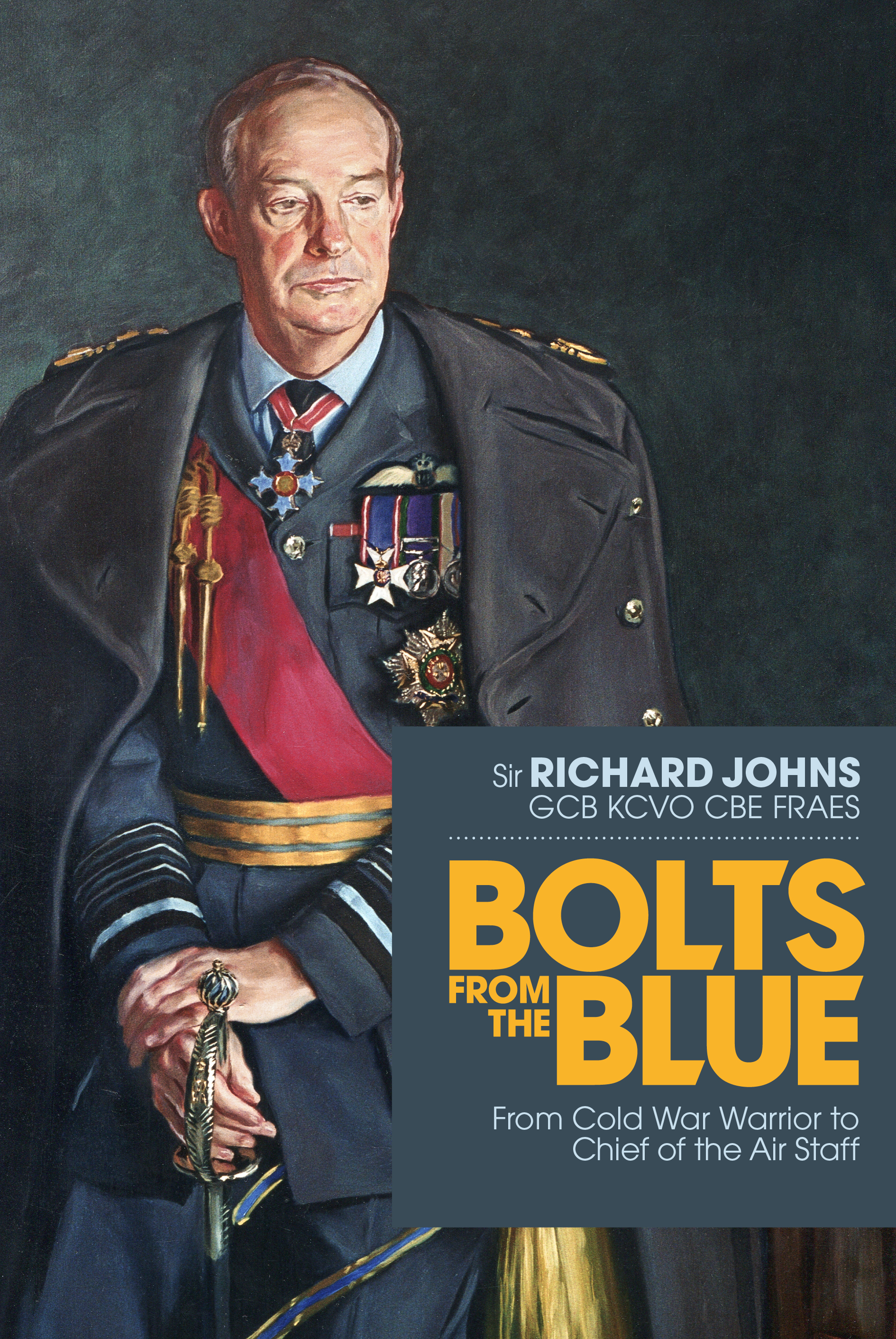
Bolts from the Blue
From Cold War warrior to Chief of the Air Staff
Sir Richard Johns
£25.00
Additional information
| Weight | 820 g |
|---|---|
| Dimensions | 234 × 156 × 36 mm |
You might also like
-
-
-
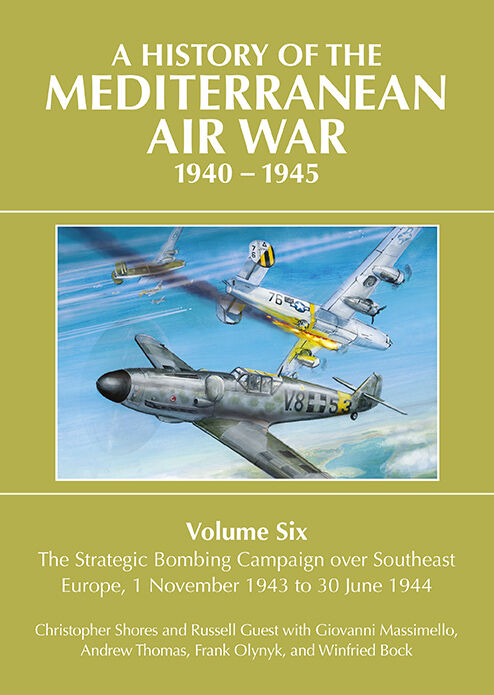
A History of the Mediterranean Air War, 1940-1945, Volume Three
Christopher Shores Giovanni Massimello, Russell Guest, Frank Olynyk and Winfried Bock
The third volume in this series returns to November 1942 to explain the background to the first major Anglo-American venture – Operation Torch, the invasion of French North Africa. It deals with the fratricidal combats which followed the initial landings in Morocco and Algeria for several days. It then considers the efforts made – unsuccessfully in the event – to reach northern Tunisia before the Germans and Italians could get there to forestall the possibility of an attack from the west on the rear of the Afrika Korps forces, then beginning their retreat from El Alamein.
£75.00read more > -
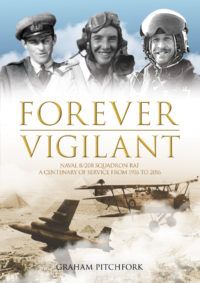
Forever Vigilant
Graham Pitchfork
208 Squadron based at RAF Valley in Anglesey will be celebrating its 100th anniversary in October 2016, making it one of the few RAF squadrons to achieve this unique distinction whilst still part of the RAF’s current order of battle. To celebrate this achievement, Air Commodore Pitchfork has compiled a chronological history of the squadron’s main activities and personnel with the aim of illustrating the spirit, comradeship, and professionalism of the squadron.
£25.00read more >




Reviews
There are no reviews yet.