
Established in 1917 to train Royal Flying Corps aircrew during WWI, Duxford was also the base for two United States Aero Squadrons, 137 and 159, and by the end was a mobilisation airfield for three DH9 day bomber squadrons. During the 1920s and 30s, expansion continued apace, with three fighter squadrons, 19, 29 and 111, and the presence of many illustrious names, including Harry Broadhurst, Johnny Kent and Frank Whittle. The first aerodrome in Fighter Command to receive the Spitfire (in August 1938), Duxford rose to supreme prominence during the early part of the Second World War. Part of 12 Group detailed to protect the industrial midlands and north east Britain, the base’s role during the Battle of Britain was mired in controversy due to the ‘Big Wing’ tactics of Douglas Bader and Trafford Leigh-Mallory. From October 1942 to the end of the war, Duxford was essentially an American base for, variously, the 8th Air Force, 350th and 78th Fighter Groups. Postwar the RAF operated jets from the station until 1961 when the future was put on hold. Managing to avoid the ignominy of becoming a prison or sports complex, the Imperial War Museum finally came to the rescue making Duxford into today’s premier international air museum. Richard Smith’s research has led him to numerous previously unpublished collections from which he has unearthed some marvellous images of historical significance. This work is a must for the collector, historian or veteran of the times.
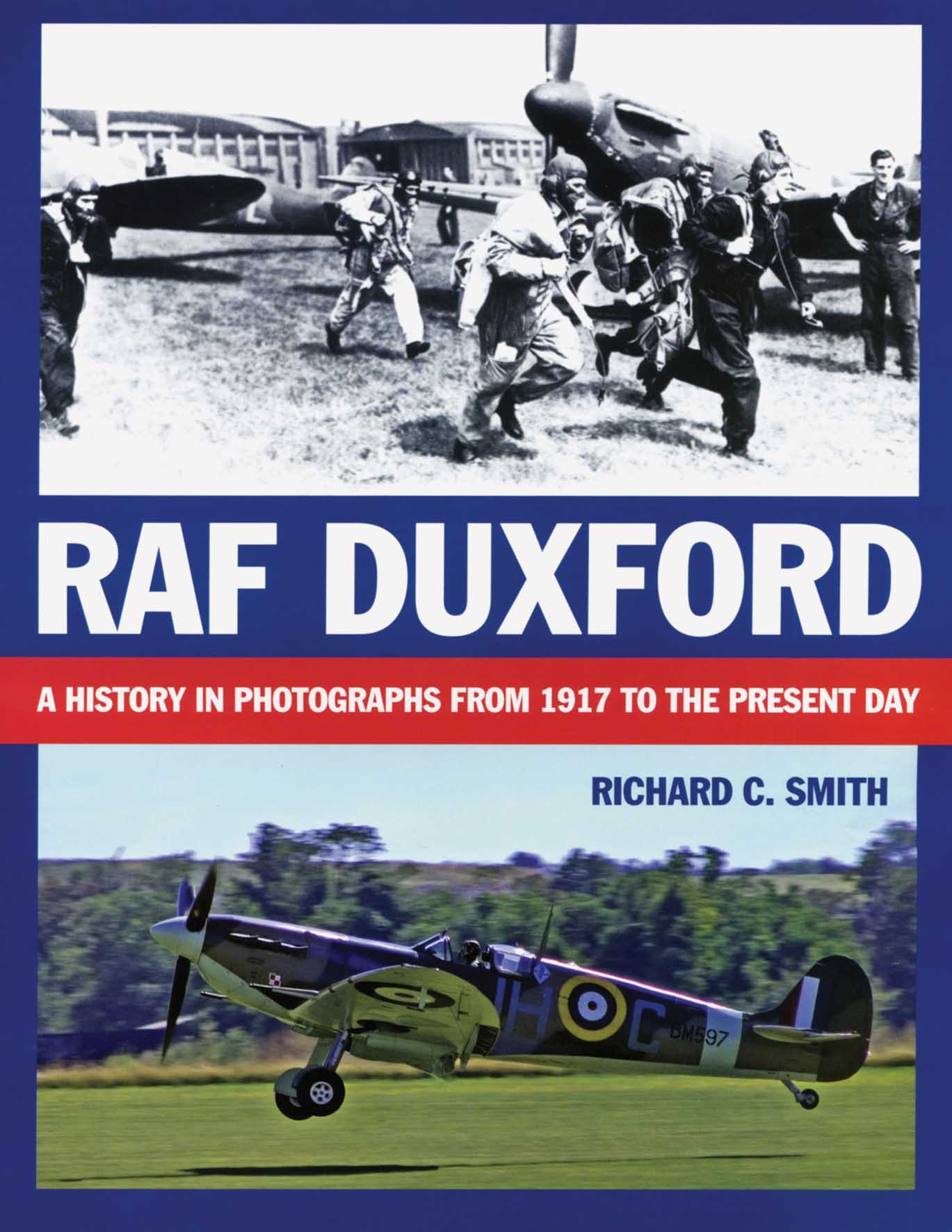
RAF Duxford
A History in Photographs from 1917 to the Present Day
Richard Smith
£12.99
Additional information
| Weight | 480 g |
|---|---|
| Dimensions | 252 × 195 × 480 mm |
You might also like
-
-
Contact!
Bob Tuxford
Contact! is an enthralling set of recollections from ex-RAF pilot, instructor and test pilot Bob Tuxford. The book follows his twenty-year career within the RAF and describes highlights of active service across the world, including an accompanied exchange tour in the US Air Force and participation in the Falklands war.
£25.00read more > -
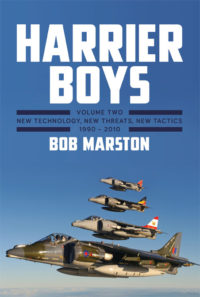
Harrier Boys Volume 2
Bob Marston
In the second volume of Harrier Boys, as with the first, the history of this remarkable aircraft in service with UK armed forces is illustrated through personal reminiscences of the people who worked with it. The book begins with explanations of the mature concept of operations with the Harrier GR3 in the Cold War. It then progresses through the evolution of Harrier II, starting with the GR5, and updates to the Sea Harrier, while the potential battles to be fought necessitated ever-changing tactics and technology.
£20.00read more > -
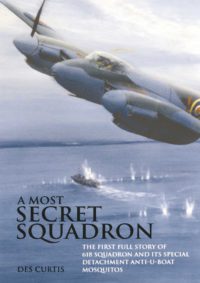
A Most Secret Squadron
Des Curtis
Des Curtis was one of the founder members of 618 Squadron. Formed within days of the illustrious 617, 618’s primary objective was to mount a daylight low-level attack by Mosquitos on the German battleship Tirpitz within hours of the attack on the Ruhr dams. The operation, codenamed Operation Servant, was given top security classification, to the point where the subject was excluded from the minutes of the meetings of the Chiefs of Staff of the air and naval forces. The author reveals the dilemmas and conflicting priorities existing to the highest levels, setting out in detail the technicalities of developing the ‘bouncing bomb’. He also writes first hand about the tactical problems of getting to and from the target; and the tensions and strains endured by the Mosquito crews themselves, as they took the war to the German U-Boats within the sight and safety of their bases.
£20.00read more >




Reviews
There are no reviews yet.